
What To Eat For PMS: Foods That May Help To Ease Symptoms Naturally
Oct 09, 2026
How To Ease Symptoms Of PMS Naturally
Premenstrual syndrome (PMS) affects up to around 80% of women. And while symptoms such as bloating, mood swings, cravings and headaches can feel like a familiar part of the monthly cycle, that doesn't mean you have to simply put up with them.
PMS can affect both your physical and emotional wellbeing, with symptoms varying from woman to woman and from one cycle to the next. You might experience headaches and abdominal discomfort one month, then breast tenderness, bloating or irritability the next.
There isn't one food or supplement that will make PMS disappear. However, some everyday nutrition and lifestyle habits may help support your wellbeing in the one to two weeks leading up to your period.
Here are five great places to start making small, realistic changes:
1. Eat regular, balanced meals
Skipping breakfast or lunch because you're busy, or trying to save calories, can leave you short of the energy and nutrients you need throughout the day. Aim for regular, satisfying meals that include a combination of protein, fibre-rich carbohydrates, healthy fats and colourful fruit and vegetables.
Here's what that could look like:
-
Complex carbohydrates: Oats, brown rice, potatoes, beans and wholegrain pasta provide energy and fibre. Choose higher-fibre options regularly to support digestive health and help make meals satisfying.
-
Quality protein: Include foods such as eggs, fish, chicken, lentils, chickpeas, kidney beans, tofu and edamame. Protein helps keep meals satisfying and supports muscle maintenance.
-
Healthy fats: Include olive oil, avocado, nuts and seeds. Oily fish such as salmon and sardines also provide omega-3 fats.
-
Fibre and colourful plants: Add vegetables, fruit, beans and wholegrains throughout the day. Broccoli, cabbage, cauliflower, kale and Brussels sprouts are particularly easy additions, alongside a variety of other vegetables. Aim for around 30g of fibre a day if you can, increasing gradually and drinking enough water.
-
Flavour boosters: Herbs, spices, lemon, garlic and ginger can make everyday meals more enjoyable. Chamomile tea can be a great way to enjoy a comforting hot drink that helps to calm any PMS anxiety too.
Start with what you already eat and think about what you could add to make it more nourishing going forward.
2. Add magnesium and B6-rich foods
Magnesium and vitamin B6 are important nutritents when it comes to supporting your blood sugar regulartion and reducing painful cramps too.
Magnesium-rich foods include:
-
Pumpkin seeds
-
Almonds and cashews
-
Spinach and other leafy greens
-
Beans and wholegrains
-
Cacao and dark chocolate
Vitamin B6-rich foods include:
-
Oats and other wholegrains
-
Bananas
-
Potatoes and sweet potatoes
-
Chickpeas
-
Fish
An easy way to include both is to add pumpkin seeds and sliced banana to porridge, or enjoy a homemade hot chocolate made with cacao powder and your favourite milk.
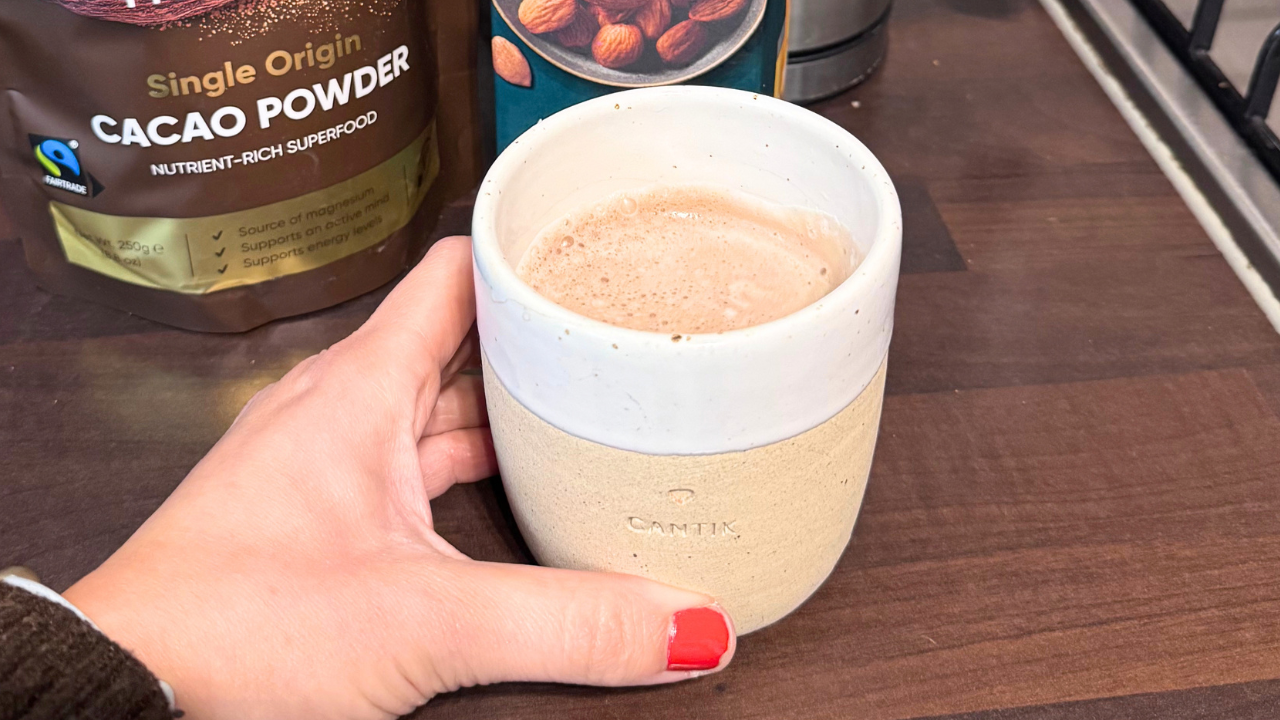
Quick recipe: Homemade Cacao Hot Chocolate
Serves: 1 | Time: 3–5 minutes
Ingredients
-
1 tablespoon cacao powder
-
250ml almond, hazelnut or your preferred milk
-
Optional: a little ground cinnamon to taste
Method
-
Whisk the cacao powder with a small splash of milk to form a smooth paste.
-
Heat the remaining milk in a small pan, then whisk in the rest of the cacao powder.
-
Pour into a mug and enjoy!
3. Include omega-3 fats
Healthy fats and cholesterol are building blocks for hormones including oestrogen, progesterone, serotonin and dopamine. These can help to prevent PMS, mood swings and feeling fatigued. Adding oily fish like salmon, sardines and mackerel to your diet, as well as plant-based omega-3 fats like Omega-3 fats like chia seeds, ground flaxseed and walnuts can help reduce inflammation.
Try to include oily fish into your weekly meal plan 1-2 times a week, opting for organic, wild caught fish where you can. If you don't eat fish, add ground flaxseed or chia seeds to porridge, yoghurt or overnight oats, and include walnuts in snacks or salads.
4. Eat a variety of colourful plants
Fruit and vegetables not only provide essential vitamins and minerals but fibre and beneficial plant compounds too. Cruciferous vegetables are especially helpful for easing symptoms of PMS naturally, including broccoli, cauliflower, cabbage and kale which are rich in the phytochemical Indole-3-Carbinol, which helps the body metabolise excess oestrogen.
Easy ways to keep it simple:
-
Add berries to your yoghurt or porridge at breakfast.
-
Stir spinach into your pasta or curries.
-
Add beans or lentils to your chilli and soups.
-
Add an extra serving of vegatables you can add to your plate at dinner.
-
Keep fruit, nuts and seeds within easy reach for a healthier snack.
5. Support your lifestyle, too
There is so much you can change through proper nutrition and realistic tweaks to your diet. But nutrition is only one part of the picture. Your quality and length of sleep, how you handle stress and your daily movement can all affect how you feel throughout your cycle.
A few realistic things to try:
-
Move regularly: Walking, strength training, cycling and swimming are all great forms of movement that can help not just with your physical health but also your mental health too, especially if you struggle with PMS anxiety.
-
Prioritise sleep: As hard as it is these days to switch off and properly relax, it still doesn't change the fact that our bodies and minds need a good 7-9 hours of restful sleep every night, including at the weekend. One way I encourage clients and have found helps me is to build in a wind-down routine that you look forward to enjoying. For example, taking a soak in the bath with some salts, taking time to take off your make-up and clean your face, and then getting into a clean bed with a good book to read.
-
Make time to unwind: This is something I've struggled with for years but when I prioritise time for myself to relax, it makes a huge difference to my mental health and the way that I phyically breathe. Even ten minutes to do a few stretches away from your desk, or go on a gentle walk at lunchtime, help to detach from our never ending to-do lists and bring us back to our bodies or nature. I also find that box breathing can really help to calm your physical body and create a space to decompress.
-
Notice your caffeine and alcohol intake: Both can affect sleep, and caffeine may worsen anxiety or irritability for some people. Try reducing your intake if you suspect either is aggravating your symptoms.
A few satisfying PMS-friendly snacks
If you feel hungrier or notice more cravings before your period, you don't need to ignore them. Try snacks that combine a few different nutrients to help keep you satisfied:
-
Greek yoghurt with berries, pumpkin seeds and cinnamon.
-
Apple slices with peanut butter.
-
Wholegrain toast with avocado and a boiled egg.
-
Hummus with carrot and pepper sticks, plus wholegrain crackers.
-
Overnight oats with chia seeds, berries and yoghurt.
-
Banana with a small handful of nuts.
Start with one small change
If all of these areas we've gone through in this post feels overwhelming to change at once, then start small. Choose one or two ideas that feel realistic for you, and keep a simple record of your symptoms across a few cycles. This can help you spot patterns and understand what works for you.
Want to recieve more nourishing recipes like this straight to your inbox every Friday?
Sign up to receive Nourish Weekly for free and make your meal planning a lot easier every week